
Reviewed and updated 20 October 2026.
This page previously listed sleep headphones from 2021. The updated guide focuses on choosing a suitable design rather than presenting old products as current best buys.
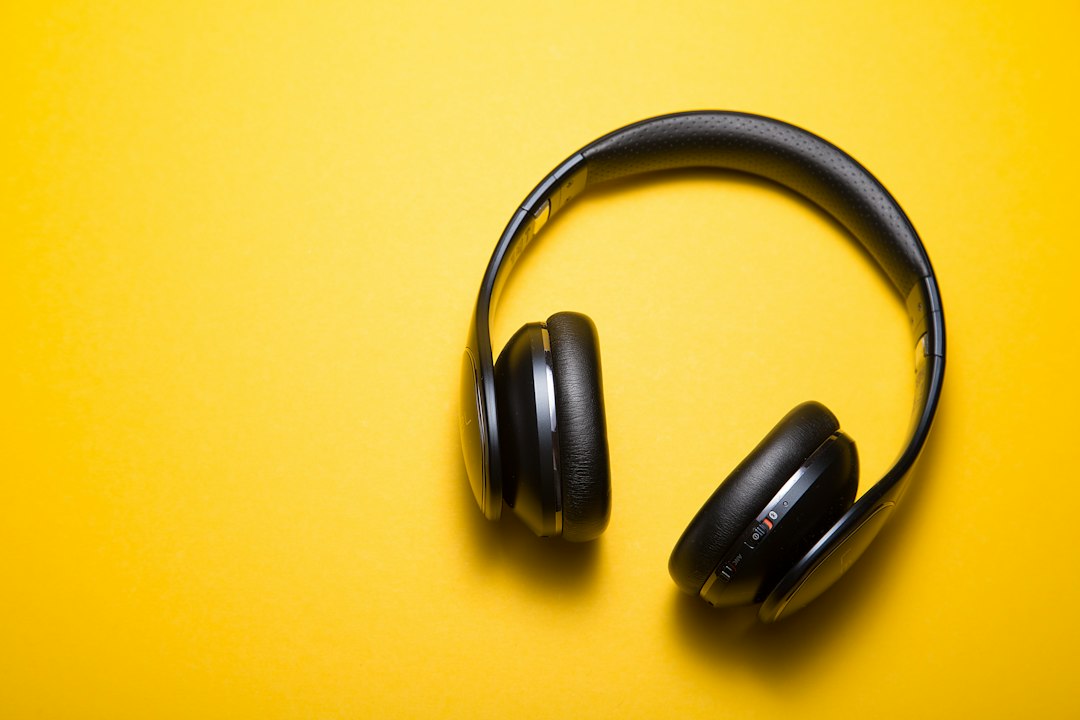
Compare the design with your sleeping position
Headbands with flat speakers, small earbuds and ordinary headphones feel different when lying down. A product that is comfortable while sitting may press against the ear when you turn onto your side.
Check sizing, seams and the position of controls. Read the return conditions, because personal fit can be difficult to judge from a photograph.
Look at everyday handling
- Can the fabric or removable parts be cleaned as instructed?
- Are controls easy to use without turning the volume up accidentally?
- Does the device have a timer or automatic stop option?
- Can it be used without an unsafe cable arrangement?
- Are charging and battery instructions clear?
Follow the manufacturer’s directions and avoid charging a device in bed or under bedding. Do not use a damaged battery or cable.
Keep listening exposure in mind
The World Health Organization explains that hearing risk depends on sound level and duration. Keep volume low, limit unnecessary listening time and use available exposure-monitoring features where appropriate.
Consider whether you need to hear alarms, children or other important sounds. Noise cancellation is not a substitute for assessing your surroundings.
Do not treat headphones as a sleep treatment
Some people enjoy quiet audio while settling down, but a device cannot guarantee sleep or treat the cause of ongoing insomnia. Persistent sleep difficulties deserve appropriate professional advice.
Check the exact product
Confirm dimensions, cleaning instructions, connection type and warranty terms on the current listing. The photograph illustrates over-ear headphones; it is not a recommendation that this design is suitable for sleeping.
Source: WHO: Safe listening.
Explore related guides
Cover photograph: C D-X / Unsplash.