
Reviewed and updated 20 October 2026.
Time alone can be enjoyable, restorative or simply practical. It can also feel lonely. The same person may experience both at different times, so a preference for solitude does not reveal a complete personality type.
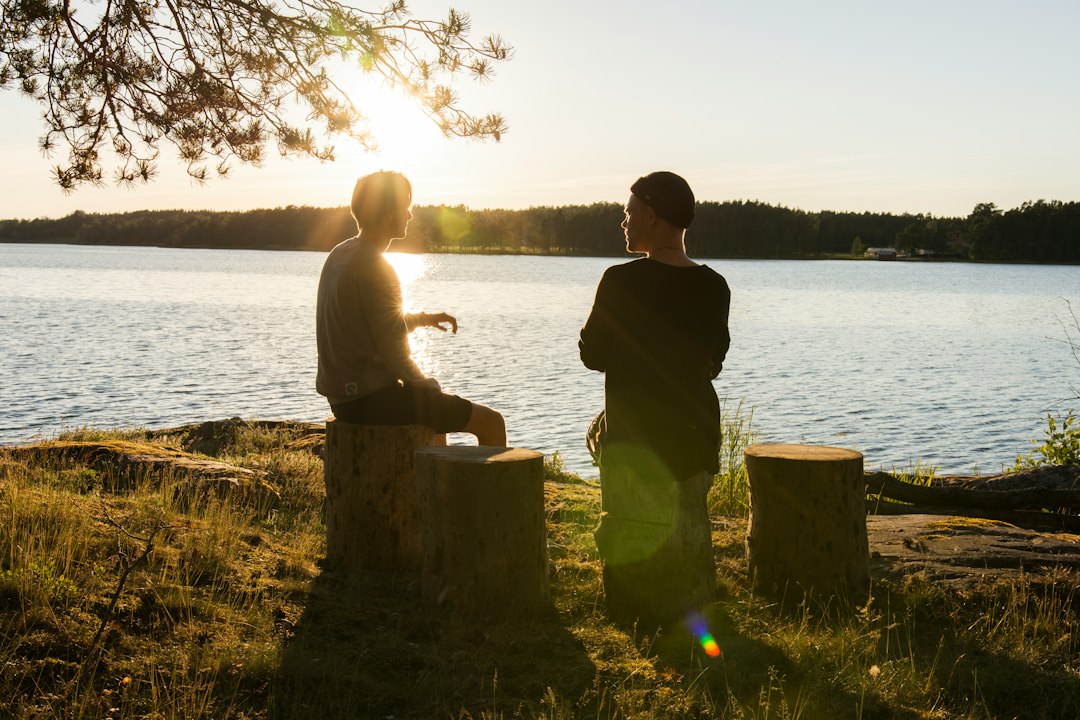
Choose what you want from the time
Decide whether you need rest, concentration, reflection or an enjoyable activity. A clear intention can make an evening alone feel different from repeatedly scrolling because you are unsure what to do.
Keep the plan modest. Reading a chapter, cooking a meal or taking a suitable walk can be enough; solitude does not need to become a self-improvement project.
Communicate your preferences
If you need quiet time, explain it to people who may otherwise interpret your absence as rejection. You can value a relationship and still prefer some activities on your own.
Respect that other people may have different needs for contact. Where schedules or responsibilities overlap, discuss a workable arrangement rather than assuming one preference is healthier.
Keep connection accessible
- Maintain contact with people you trust.
- Accept or suggest plans that you actually enjoy.
- Ask for support when a difficult situation exceeds what you want to handle alone.
- Avoid treating independence as a requirement never to need anyone.
Notice when the experience changes
Ask whether time alone feels chosen and useful or whether you are withdrawing despite wanting connection. Persistent loneliness, low mood or difficulty functioning may be a reason to seek additional support.
Do not assume that people who enjoy solitude never worry about social acceptance or relationships. Preferences and emotions are more varied than that.
The useful balance is personal and can change. Make room for quiet without closing off the relationships and support that matter to you.
Explore related guides
Cover photograph: Joonas Sild / Unsplash.