
Reviewed and updated 20 October 2026.
Medium-coverage foundation aims to even out some visible color variation while allowing more of your skin to show than a full-coverage base. The exact result varies by formula and the amount applied.
Start with the finish you enjoy
Medium coverage can be matte, satin or luminous. Decide how much reflected light you prefer separately from how much coverage you want.
Check a possible shade in suitable light and allow the product to settle before judging it. A shade match should work with your normal skincare and the rest of your routine.
Apply from the areas that need it
Place a small amount near the center of the face or wherever you want evening of tone. Blend outward so the edges become less noticeable.
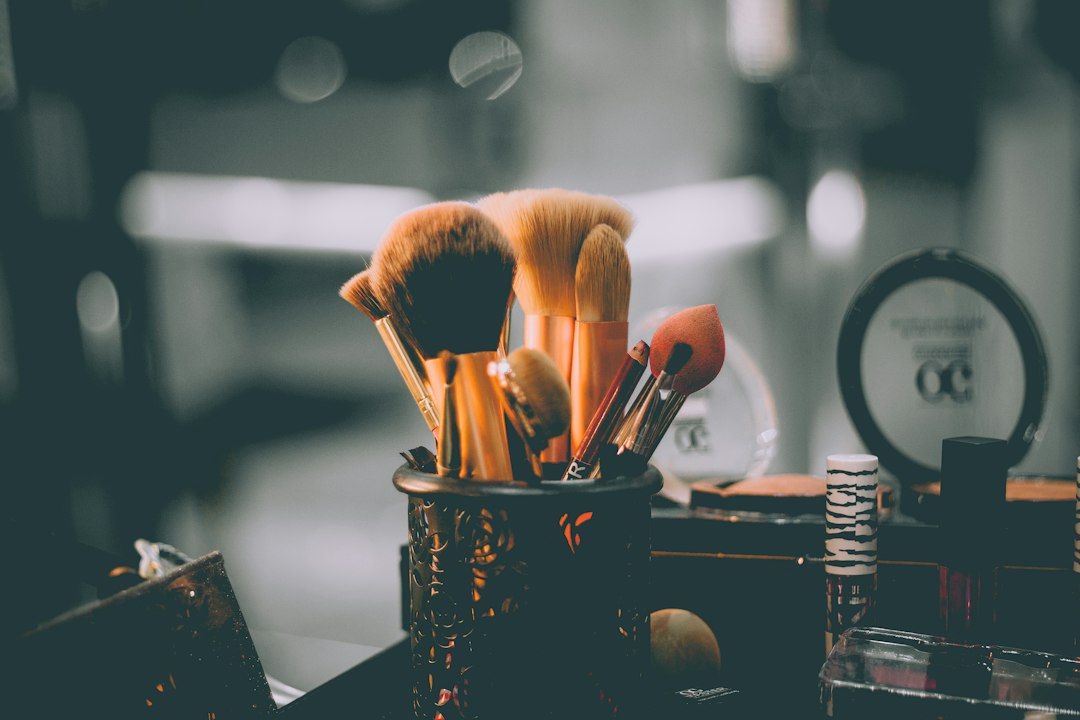
A clean brush can help distribute product, while a sponge can soften visible edges. Clean fingers may work with formulas whose directions allow it. The tool should make the application easier, not become another rule to follow.
Adjust coverage selectively
- Leave areas alone when the first layer already looks comfortable.
- Add a little concealer to a specific mark if wanted.
- Blend gently around facial hair, dry patches and the hairline.
- Use powder only where it improves the finish or wear.
- Check the result from a normal viewing distance.
Make touch-ups smaller than the first application
Blot shine or smooth a crease before adding anything. If an area has broken apart, remove the excess and refresh that spot instead of applying another full layer.
If you consistently want much less or much more coverage, a different formula may make the routine easier. The related guides explain light and full coverage so you can compare the approaches.
Normal texture, freckles and variation can remain visible. A polished everyday base does not require making your skin look uniform in every detail.
Explore related guides
Cover photograph: Amanda Wolbert / Unsplash.