
Reviewed and updated 20 October 2026.
Full-coverage makeup is useful when you want a more even-looking base or stronger color coverage. It does not need to mean applying the same thick layer everywhere.
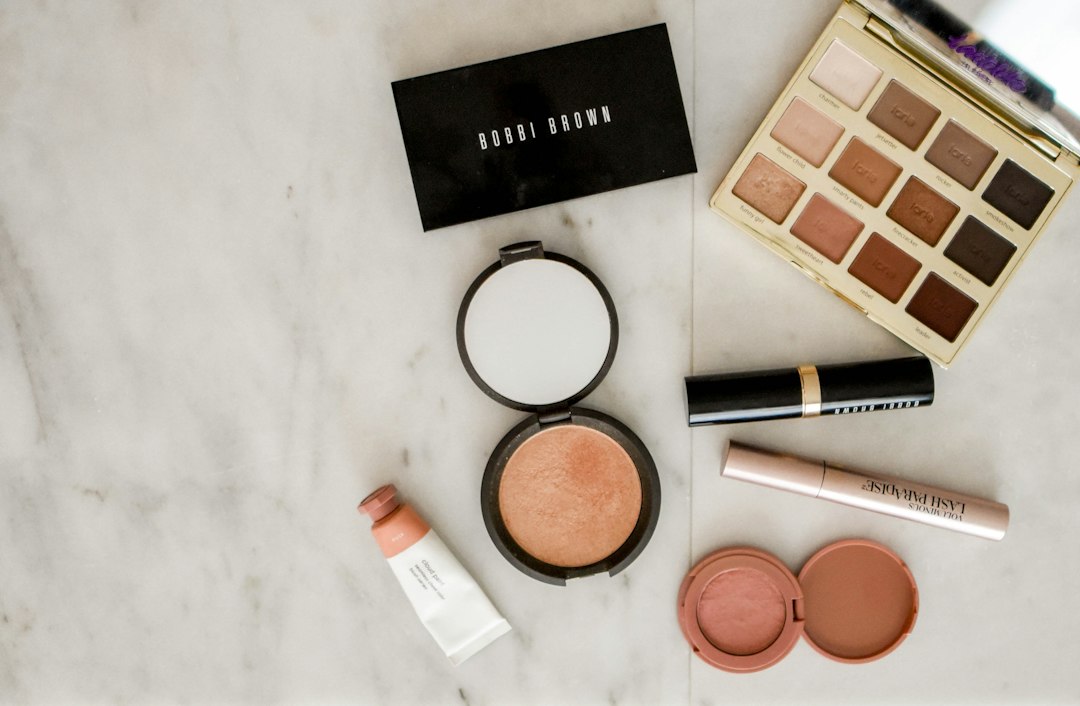
Decide where coverage is needed
Look at the areas you want to even out and the areas you are comfortable leaving more visible. This helps you avoid adding product to skin that does not need it for your preferred look.
Choose a shade that works with your face and neck in the lighting where you will wear it. Coverage cannot compensate for a noticeably unsuitable shade.
Apply, then assess
Start with a small amount of foundation and blend in thin sections. Add more only where needed. Allow each layer to settle before deciding whether it has provided enough coverage.
Use concealer for a small area if that gives a more precise result. Blend the edges without repeatedly disturbing the center of the coverage.
Check the finish
- Look around the nose, jaw and hairline for obvious transitions.
- Use a clean tool to remove excess from creases.
- Apply powder sparingly to areas that need setting.
- Check the result in ordinary light and from a normal viewing distance.
- Avoid adding product simply because skin texture remains visible.
Plan for wear and removal
Carry a small touch-up option if needed, but blot or smooth an area before adding another layer. Repeated foundation and powder can make a disrupted patch more noticeable.
Remove makeup with a method suited to the formula and your skin. Follow product directions and avoid harsh rubbing, especially around the eyes.
Full coverage is a preference, not a requirement for a polished appearance. You can choose it for some occasions and a lighter base for others. If makeup causes irritation or persistent symptoms, discontinue the suspected product and seek appropriate advice.
Explore related guides
Cover photograph: William Shu / Unsplash.