
Reviewed and updated 20 October 2026.
Dress silhouettes describe a garment’s overall shape. Knowing the terms can make online shopping easier, but the same label can look different depending on fabric, proportions and construction.
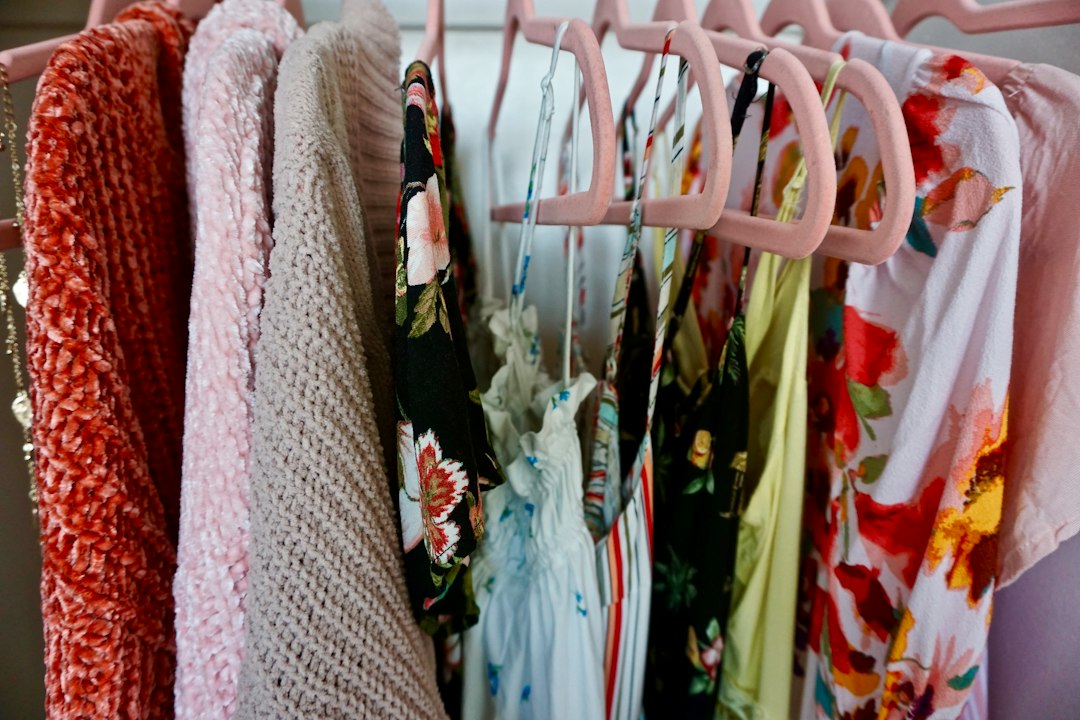
Ten silhouettes to recognize
- A-line: widens gradually toward the hem.
- Shift: falls relatively straight from the shoulders, often with less waist definition.
- Sheath: follows the body more closely, with movement depending on cut and fabric.
- Fit-and-flare: combines a more fitted upper section with a fuller skirt.
- Wrap: closes by crossing one side over the other, sometimes with adjustable ties.
- Shirt dress: uses details such as a collar, buttons or cuffs inspired by a shirt.
- Slip dress: typically has a simple, fluid shape and narrow straps.
- Empire waist: places the waist seam above the natural waist.
- Kaftan: usually has a loose shape and generous sleeves.
- Smock dress: uses a relaxed, often gathered shape for volume and movement.
Mini, midi and maxi usually describe length rather than silhouette. A maxi dress, for example, can also be a wrap dress or an A-line design.
Fabric changes the result
A structured cotton and a fluid satin can make the same basic shape behave very differently. Check whether the material stretches, clings, creases or needs lining.
Product photographs may show the garment pinned or styled in ways that are not obvious. Compare measurements and read the description rather than relying on the image alone.
Choose by comfort and preference
Try the movement you need for the occasion. Check sleeve openings, neckline coverage, fastening position and the room available for sitting.
No silhouette is compulsory for a particular body type. Use these names as shopping vocabulary, then choose the shape that supports your preferences and activities. If you are unsure between two styles, compare them with the same shoes and layer so the difference is easier to assess.
Explore related guides
Cover photograph: Fujiphilm / Unsplash.