
Reviewed and updated 20 October 2026.
The right dress should suit what you plan to do while wearing it. Fit, comfort and care requirements are often more useful starting points than a trend label or a rule about body shape.
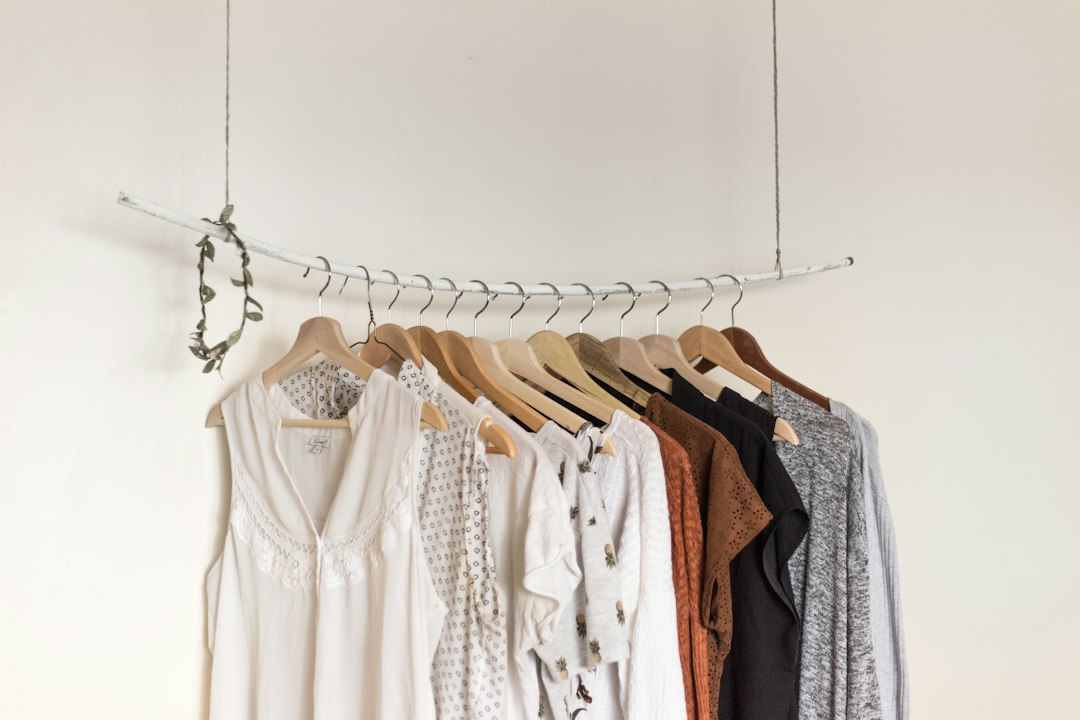
Name the job the dress needs to do
Will you sit at a desk, walk outdoors, attend a celebration or travel? Think about temperature, footwear and how much movement the day involves. A dress that looks right in a photograph may be awkward for the actual occasion.
Check any dress code before choosing the silhouette. If the invitation is unclear, asking the host is more reliable than guessing from a product description.
Check fit with movement
Sit down, raise your arms and take a few steps. Look for pulling at buttons, slipping straps, uncomfortable seams or a hem that restricts movement. The size on the label is a starting point rather than a judgment about your body.
When buying online, compare the retailer’s garment measurements with a similar item that fits well. Body measurements and garment measurements are not interchangeable, so read the chart’s instructions.
Inspect the practical details
- Is the lining comfortable in the expected weather?
- Is the fabric more transparent than you want?
- Can you manage the fastening without difficulty?
- Do the pockets and seams lie comfortably?
- Does the care label fit your washing routine and budget?
Style from a complete outfit
Try the dress with the shoes and undergarments you expect to wear. Add a layer if the event includes air-conditioned rooms or cooler evenings. A small alteration may make an existing dress more useful than a new purchase.
There is no universal silhouette that everyone must wear. Choose the balance of shape, coverage and detail that feels comfortable to you, then check the return policy before removing labels or wearing the garment outside.
Explore related guides
Cover photograph: Highlight ID / Unsplash.