
Reviewed and updated 20 October 2026.
“Frock” is commonly used as another word for a dress. The useful distinction is not the name but whether the garment suits the occasion, climate and level of movement you expect.
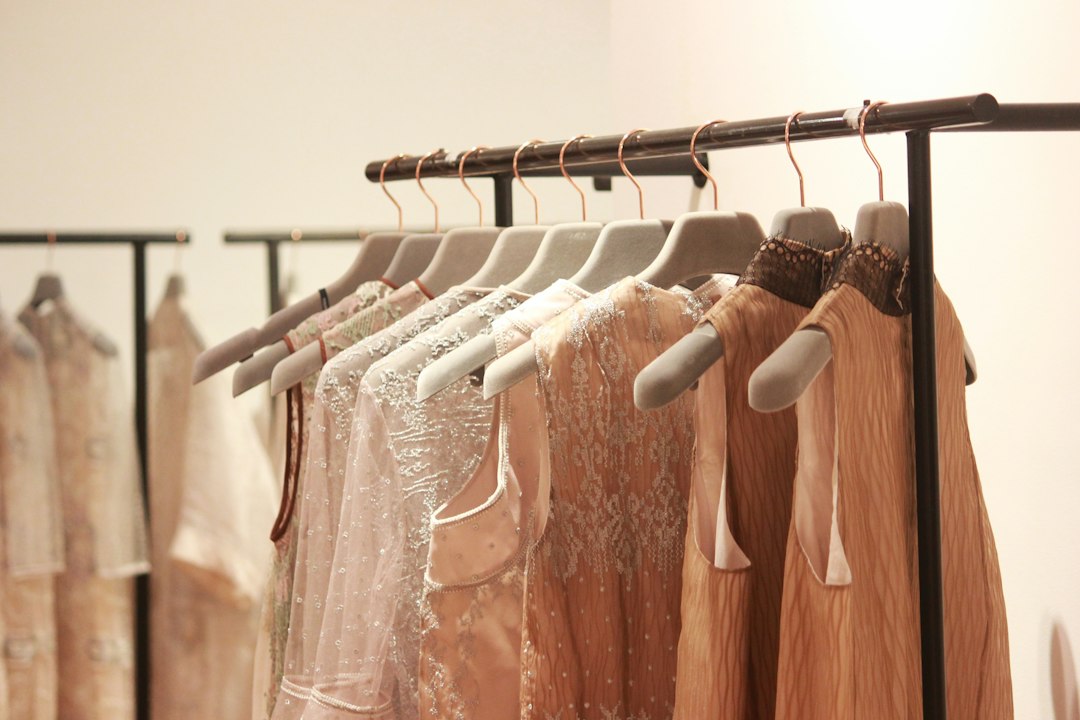
Casual days
For errands or relaxed outings, look for comfortable armholes, easy fastenings and a length that works with your preferred shoes. Washable fabrics and practical pockets may matter more than decorative details.
Try sitting and walking before deciding. A loose garment can still feel restrictive if a sleeve opening or lining is tight.
Work and daytime events
Check the setting’s expectations for coverage and formality. Shirt dresses, simple midi styles and other understated designs can be adaptable, but the particular fabric and fit determine how they look.
Consider a layer for cooler rooms and shoes suitable for your commute. Avoid buying an outfit that only works while standing still.
Celebrations and evening plans
Read the invitation or ask the host about the dress code. Choose embellishment, color and fabric according to the event rather than assuming that a higher price means a better match.
If there will be dancing or prolonged standing, test the outfit with the intended footwear. Check whether delicate trim can catch on jewelry or bags.
A quick buying checklist
- Compare measurements with a dress you already enjoy wearing.
- Inspect lining, transparency and seam comfort.
- Check washing, ironing or dry-cleaning requirements.
- Consider whether a simple alteration would improve fit.
- Confirm the return conditions before purchasing online.
Repeat the dress in different ways
Changing a light layer, shoes or a bag can make the same dress useful for more than one occasion. Start with combinations you already own rather than buying a new set of accessories for every garment.
Style is personal. A guide can help you notice practical details, but it does not need to prescribe a silhouette based on your age or body shape.
Explore related guides
Cover photograph: Amanda Canas / Unsplash.