
Reviewed and updated 20 October 2026.
Eczema-prone skin can react differently to different sunscreens. There is no single formula that suits everyone, so combine adequate sun protection with attention to your own triggers and treatment plan.
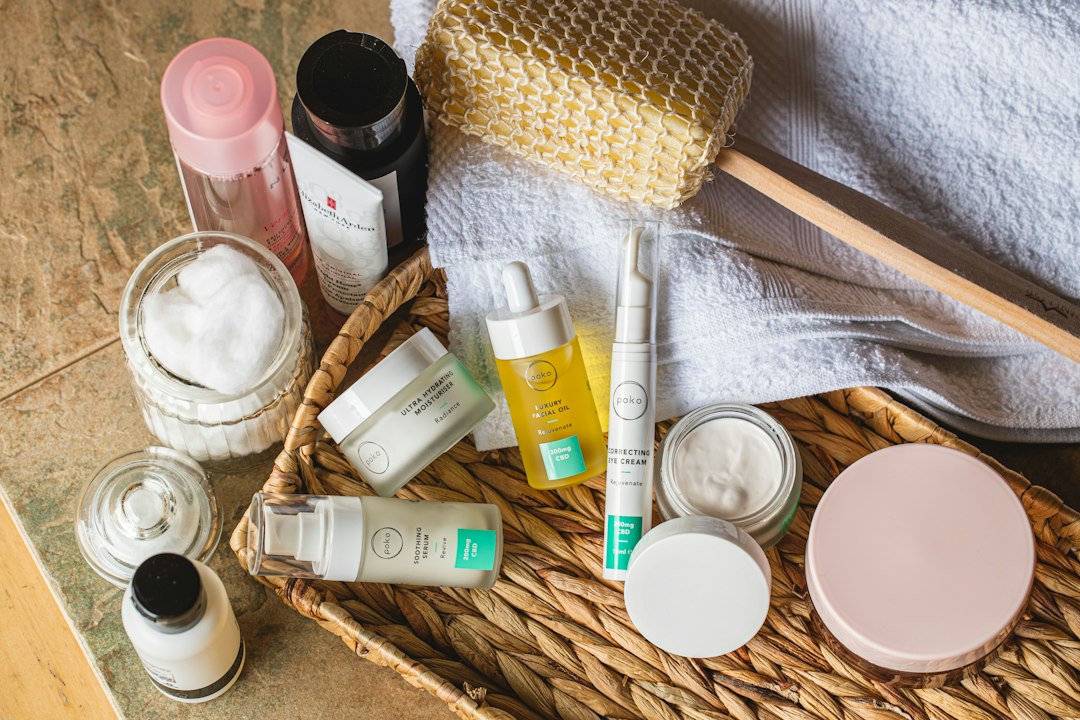
Check protection and formulation
Look for broad-spectrum protection, SPF 30 or higher and appropriate water resistance. Fragrance-free options may be easier to assess when fragrance is a known trigger.
Mineral sunscreens containing zinc oxide or titanium dioxide are often suggested for sensitive skin, but they can still contain other ingredients that do not suit you. Do not treat “mineral,” “natural” or “hypoallergenic” as a guarantee.
Introduce the product carefully
Follow the product’s instructions and your clinician’s advice. Trying a small area first can help identify an obvious reaction, but it does not guarantee that a later reaction will not occur.
If sunscreen repeatedly stings, burns or worsens a rash, stop the suspected product and ask a dermatologist or another qualified clinician for help choosing an alternative. Do not abandon sun protection altogether; clothing and shade remain useful.
Keep the routine manageable
- Avoid introducing several new skincare products at the same time.
- Keep track of products that have caused a reaction.
- Reapply sunscreen according to its directions.
- Use protective clothing and a suitable hat during exposure.
- Follow your existing eczema treatment plan rather than replacing it with a cosmetic product.
Know when individualized advice matters
Persistent flares, broken skin, suspected infection or a history of significant product reactions deserve professional assessment. A blog cannot identify which ingredient caused a particular reaction or prescribe treatment.
An ingredient list is a useful starting point, but the full formulation and your individual response matter. Bring the product or a clear photograph of its label to an appointment if you need help reviewing it.
Sources: National Eczema Association sunscreen guidance and AAD sunscreen selection.
Explore related guides
- Scalp Sun Protection and Summer Hair Care
- Dark Spots and Hyperpigmentation: A Careful Starting Guide
Cover photograph: Elsa Olofsson / Unsplash.